
CNC Machines for Automotive Manufacturing: Types, Applications and Selection
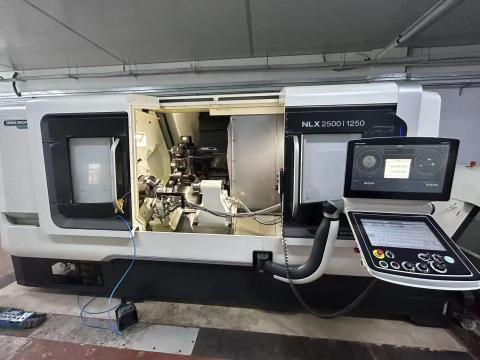
Select CNC machines for automotive manufacturing by matching each component’s geometry, material and critical features to its machining sequence. Engine blocks need access to multiple faces and accurate bore relationships; transmission shafts need controlled turning, with separate finishing operations where the drawing requires them. Machine travel alone does not establish process suitability.
Match the automotive component to the machine family
| Automotive component | Machining need | CNC machine family |
|---|---|---|
| Engine blocks and cylinder heads | Face milling, drilling, tapping and boring | Horizontal or vertical machining center; five-axis where access justifies it |
| Transmission shafts and gear blanks | Turn journals, shoulders and bores | CNC lathe or turning center; grinding where specified |
| Transmission and differential housings | Machine bearing seats, joint faces and hole patterns | Horizontal machining center or vertical machining center with rotary indexing |
| Wheel hubs and brake discs | Turn faces, diameters and bearing seats; drill mounting holes | CNC turning center, with live tooling where suitable |
Gear blanks can be turned on a lathe, but gear teeth generally require dedicated cutting or finishing equipment. Likewise, cylinder bore preparation may require honing after machining.
Engine parts: prioritize access, datums and bore quality
For blocks and heads, assess whether the fixture exposes the required faces while maintaining consistent datums. A horizontal machining center can support machining on multiple faces and chip evacuation; a vertical machining center may suit accessible features and flexible batch work. Five-axis capability is useful when angled features or reduced refixturing justify the added programming and fixture complexity.
Match spindle torque, tooling and coolant delivery to the material and operation. Deep drilling, interrupted milling and precision boring impose different demands. Confirm bore geometry, surface finish and positional relationships through a representative process trial.
Transmission parts: connect turning to downstream operations
For shafts, evaluate chuck or collet grip, unsupported length, tailstock or steady-rest requirements, and tool access. Live tooling can combine cross-drilling or milling with turning when the machine configuration supports those features.
Plan heat treatment before selecting the final machining route: distortion can require finish grinding or hard turning afterward. For housings, check bearing-bore alignment and fixture-induced deformation. Thin walls may need controlled clamping and a staged roughing and finishing sequence.
Validate cycle time with loading, tool changes, gauging and chip removal included. Automated handling and in-process probing must suit the part and control system; neither establishes production capability without validation.
Application questions before specifying equipment
Can one machining center complete an engine block?
It may perform many cutting operations, depending on access, fixtures and tooling. Honing, washing and inspection may remain separate stages.
Is a CNC lathe enough for transmission components?
It suits rotational features, but splines, gear teeth and specified finishes may require additional equipment. Build the routing from the finished drawing, then verify each proposed machine against its assigned operations.
More Articles
-
How to Buy Used Industrial Machinery from Overseas SuppliersTo buy used industrial machinery from overseas suppliers, tie each payment commitment to evidence: machine identity, operating condition, agreed acceptance criteria and shipping responsibilities. A low purchase price can become expensive if dismantling, import eligibility or unloading requirements remain unresolved. Screen the seller and identify the machine Confirm the supplier’s legal entity, physical address, authority to sell and relationship to the payment beneficiary. Independently verify any bank-detail change through an established contact. Request the machine’s nameplate, serial number, location, controller details, maintenance records and included-equipment list. Match these across the quotation, inspection records and contract. For CNC equipment, verify electrical requirements, control language, parameter backups and any software licence transfer restrictions. Turn machine evidence into acceptance criteria Agree on a written inspection scope before paying a deposit. For a machining center or CNC lathe, request a live video session showing the serial plate, cold startup, alarm history, axis travel, spindle operation, lubrication and tool changes where applicable. Define any cutting test and measurement method around your intended parts. Procurement stage Evidence Risk-control action Machine verification Nameplate, records, accessory list Record the serial number and included items in the contract. Remote inspection Live operation and test results Set acceptance criteria; investigate unexplained faults. Payment Signed contract and milestone records Define release conditions and rejection remedies. Dispatch Packing photos and shipping documents Check identity, protection and document consistency. Video can reveal operational problems but cannot establish geometric accuracy or hidden wear by itself. Where these affect production suitability, commission an independent inspection with suitable measuring equipment. Negotiate payment around documented milestones Specify the deposit, balance-payment trigger, inspection rights, defect handling, cancellation terms and dispute jurisdiction. State whether acceptance occurs before dismantling or after installation, and how discrepancies will be resolved. Compare bank transfers, documentary credits and escrow arrangements with your bank or adviser. Each has costs and limitations; document compliance alone does not establish machine condition. Assign shipping and export responsibilities Use a named place and Incoterms® 2020 rule, then separately allocate dismantling, lifting, packing, loading, export clearance, insurance and destination unloading. Incoterms do not determine ownership transfer or payment terms. Confirm packed dimensions, weight, lifting points, transit restraints and corrosion protection before booking freight. Have a customs broker check classification, used-equipment import restrictions, required documents and applicable duties under local rules. Budget for rigging, storage and commissioning; customs release and transit timing remain subject to external conditions. Overseas purchasing FAQ Should I pay the full balance before shipment? Negotiate a trigger linked to agreed inspection acceptance and dispatch evidence. Confirm your contractual remedies before committing funds. Can remote inspection replace an onsite visit? It can support initial screening. Precision-critical or poorly documented machines warrant independent onsite checks. Who handles export logistics? The contract should name the responsible party for each task, including document preparation, export clearance, loading and insurance arrangements.

-
Types of Grinding Machines and Their Industrial ApplicationsThe right grinding machine depends first on the surface you need to finish: a flat face, an outside diameter or an internal bore. Workholding then determines whether the part should be clamped, supported between centers or processed without centers. These four common types of grinding machines serve distinct production tasks. Match Grinding Machine Types to the Workpiece Grinding machine type Suitable workpiece Typical application Surface grinder Parts with flat faces Die plates, fixture bases and flat locating surfaces Cylindrical grinder Shafts and parts with external cylindrical features Bearing journals, spindles and stepped shafts Internal grinder Components with accessible bores Gear bores, bushings and internal bearing seats Centerless grinder Externally round parts suited to blade support Pins, rollers and repetitive shaft production Flat Faces, Outside Diameters and Bores Surface grinding produces flat surfaces using the wheel periphery or face, depending on machine design. Workpieces may be held on a magnetic chuck or in a mechanical fixture. Magnetic holding requires suitable ferromagnetic material; thin parts also need support that limits distortion during clamping and grinding. Cylindrical grinding finishes external diameters while the workpiece rotates between centers or in a chuck. It suits shafts requiring controlled diameter, roundness and relationships between journals. Stepped diameters, shoulders and tapers require compatible wheel access, axis movement and dressing capability. Internal grinding finishes bores with a wheel smaller than the hole. Bore diameter, depth and entry clearance constrain wheel size and spindle reach. Long spindle overhang reduces rigidity, so a deep bore needs closer assessment of the spindle arrangement, coolant access and dressing method. When Centerless Grinding Fits Production Centerless grinding supports the workpiece on a blade between a grinding wheel and a regulating wheel. The regulating wheel controls rotation and, in through-feed grinding, axial movement. This arrangement suits repeated external-diameter work without individual chucking or center mounting. Through-feed grinding generally suits straight parts that can pass through the grinding zone unobstructed. Infeed grinding accommodates suitable shouldered or profiled parts by feeding them into the wheels at a fixed axial position. Part geometry and setup determine feasibility. Before selecting equipment, specify material and hardness, stock allowance, dimensional and geometric requirements, surface finish, batch size and inspection method. These requirements determine wheel selection, workholding and whether a production trial is needed. Selection Questions Buyers Commonly Ask Can a surface grinder finish a shaft diameter? Standard surface grinding setups finish flat faces. External shaft diameters normally require cylindrical or centerless grinding; specialized attachments need separate capability verification. Should a shaft use cylindrical or centerless grinding? Favor cylindrical grinding when centers or chucking establish the required datum relationship. Consider centerless grinding for repeated external-diameter production when the geometry supports stable blade contact and feeding. Can one machine grind both internal and external surfaces? Some universal cylindrical grinders offer internal grinding attachments. Verify the actual spindle equipment, bore access and operating range; external grinding capability alone does not establish suitability for bores.

-
Used CNC Machine Inspection Checklist: 10 Things to Check Before BuyingA used CNC machine inspection should establish whether the machine can produce your parts reliably and what repairs the purchase may require. Clean paint and a smooth demonstration do not prove accuracy. Before testing, agree on acceptance criteria based on your workpiece tolerances, machining process and installation requirements. Confirm the machine’s identity and configuration Match the nameplate model and serial number to the quotation and records. Confirm the CNC control version, axis configuration, installed options, electrical requirements and included accessories. Request operating hours where available, but treat them as context: counters may have been reset or replaced. Used CNC machine inspection: 10 actionable checks Check Action and expected evidence 1. Structure and crash damage Inspect castings, table, covers and spindle area for cracks, impact marks or repairs. Photograph suspect areas. 2. Spindle condition Run through agreed speeds after warm-up; note noise, vibration and temperature trends. Measure runout using suitable calibrated equipment. 3. Guideways and lubrication Inspect accessible ways, seals and lubrication delivery. Check for scoring, corrosion, damaged covers and dry surfaces. 4. Axis motion Traverse each axis through safe usable travel at different feeds. Check reversal behavior, abnormal noise, servo loads and alarms. 5. Tool magazine and changer Where fitted, cycle multiple pockets repeatedly with suitable toolholders. Check indexing, retention and transfer consistency. 6. CNC control and electronics Test startup, display, keys and program transfer. Review alarm history, backup availability and enabled options. 7. Positioning and geometry Request positioning, repeatability and relevant geometry measurements, with methods, instruments and test conditions recorded. 8. Cutting performance Run an agreed representative test cut. Measure critical dimensions and finish; record material, tooling and cutting conditions. 9. Auxiliary systems and safety Test coolant, chip removal, hydraulics or pneumatics, emergency stops and interlocks. Record leaks and faults; never bypass safeguards. 10. Maintenance and repairs Review dated service records, replaced components and supporting invoices. Match major repairs to subsequent test results. Turn test evidence into purchase conditions Record results against the machine’s serial number, including warm-up state, instruments and acceptance limits. A test cut validates only the conditions tested; positioning and geometry checks help identify errors it may miss. For unresolved faults, obtain repair estimates and require a repeat test where performance is affected. Put included equipment, acceptance conditions and responsibility for dismantling, loading and transport into the purchase agreement. Plan leveling and verification after installation. Buyer questions before committing How should accuracy be verified? Use calibrated measurements and a representative test cut against agreed part requirements. Display resolution alone does not establish machining accuracy. What if maintenance records are missing? Treat condition as less certain. Expand independent inspection and price the unresolved repair risk before committing. Can remote inspection replace an onsite visit? Live video can screen candidates. Request continuous footage showing machine identity, startup, movements and measurements; use an independent onsite inspector for critical checks. Which warning signs justify pausing? Refused testing, unexplained alarms, inconsistent identification, structural cracks or unsupported accuracy claims warrant investigation before payment.

-
CNC Machining Center Buying Guide: How to Choose the Right Machine for Your BusinessThe right CNC machining center must handle your parts, meet drawing requirements and support your production schedule within an affordable total cost. This CNC Machining Center Buying Guide follows that decision sequence: define the work, select the configuration, verify specifications and compare complete purchase proposals. Start with representative parts and production targets Prepare drawings covering your largest workpiece, hardest material and most demanding features. Record material grades, finished dimensions, tolerances, surface finish, batch sizes and annual demand. Include fixture dimensions and weight: a part that fits the table may still lack adequate tool access. Set a realistic cycle-time target that includes loading, tool changes, probing and inspection. For mixed production, setup time and programming effort can matter as much as cutting speed. Match the machine type to the work A vertical machining center is often a practical starting point for general milling, plates and accessible components. A horizontal machining center warrants consideration for repeated machining on multiple faces, particularly when pallet handling and chip evacuation support the production plan. Consider five-axis capability when complex geometry or fewer setups justify the programming, workholding and verification requirements. Distinguish indexed positioning from simultaneous five-axis cutting; the required toolpaths determine which capability you need. Verify specifications against the complete setup Requirement Relevant parameter Buyer verification Part and fixture fit Axis travel, table load, spindle clearance Check the complete setup and tool approach throughout travel. Material removal Spindle torque, power, speed range Match the torque curve to intended tools and cutting conditions. Drawing compliance Positioning accuracy, repeatability, thermal behavior Agree on a representative cutting and measurement procedure. Production continuity Tool capacity, coolant, chip removal Allow for required tools, sister tools and material-specific chips. Maximum spindle speed alone does not establish productivity. Check controller functions, CAM postprocessor compatibility and any required software licenses before committing. Build the budget and purchase checklist together Compare total installed cost, including freight, rigging, utilities, tooling, fixtures, software, commissioning and training. Then assess maintenance, consumables, service access and likely downtime. Request an itemized quotation identifying included options and exclusions. Confirm floor loading, access dimensions, electrical supply and compressed-air requirements. For used equipment, review service records and arrange checks of spindle condition, axis motion, lubrication and tool changing. Document acceptance criteria, delivery responsibilities and agreed support terms in writing. Buyer FAQ What should take priority when the budget is limited? Protect work-envelope fit, cutting capability and required accuracy first. Defer optional automation if current volumes do not justify it, while checking whether later upgrades are feasible. How can buyers compare different machine proposals fairly? Give each supplier the same drawings, materials, batch assumptions and acceptance requirements. Compare the proposed process, complete configuration and installed cost on that shared basis.