
Boring Machine Maintenance Guide: How to Keep Equipment Running Reliably
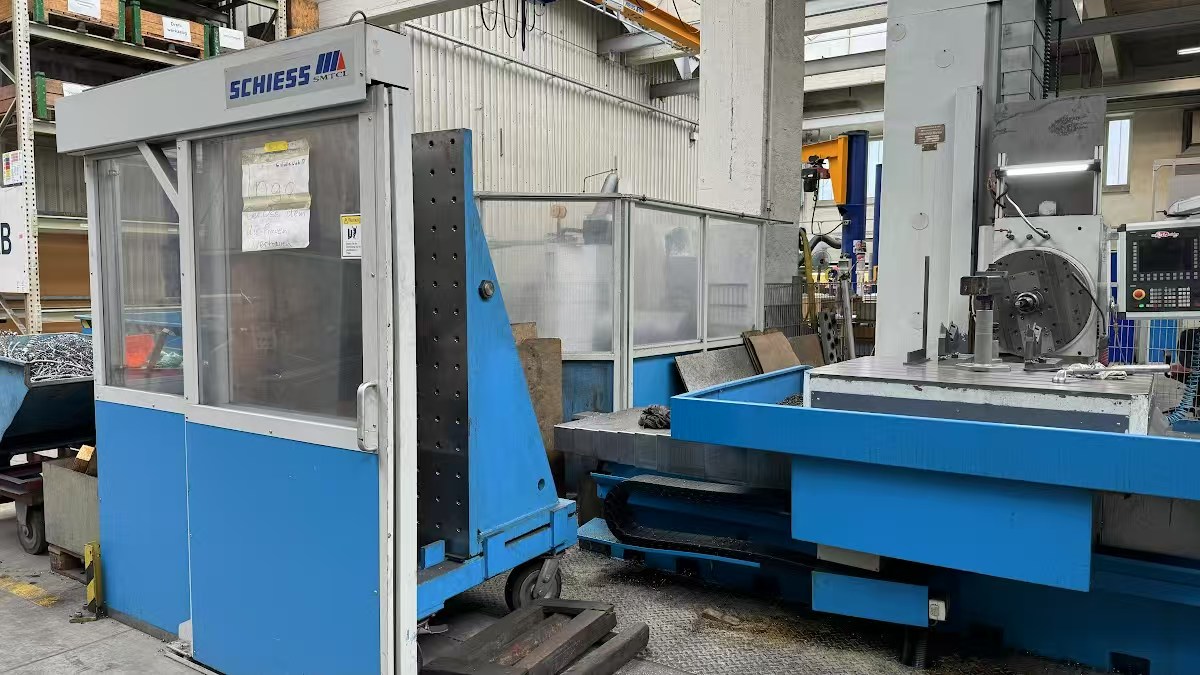
Reliable boring machine maintenance starts with controlling contamination, friction, cutting forces and alignment errors before they become downtime. A practical maintenance program should follow the machine’s operating conditions and manufacturer instructions rather than rely on one fixed service interval. Before inspection or cleaning, isolate power and secure moving components according to the applicable safety procedure.
Cleanliness and lubrication protect moving components
Chips, abrasive dust and coolant residue can enter slideways, bearings, gearboxes and electrical enclosures. This contamination increases friction and can cause sticking, accelerated wear or overheating. Remove chips with suitable tools, wipe exposed surfaces, and keep slideways, feed screws, spindle areas and clamping surfaces free from debris. Do not direct high pressure air toward bearings, seals or control cabinets.
Check lubrication points, oil levels and grease condition against the machine manual. Confirm that lubricant reaches the intended bearing, slideway or gear. Excess lubricant can attract abrasive material, while insufficient lubricant increases temperature and wear. Inspect for leaks and identify the source before simply adding more lubricant.
Inspect tools, boring bars and alignment
A damaged insert or dull cutter increases cutting force and may produce vibration, poor surface finish and oversize bores. Check inserts, holders and tool clamping before each job. Replace damaged cutting edges and verify that the tool is seated securely. Record recurring edge damage because it may indicate excessive load, poor chip evacuation or incorrect cutting conditions.
The boring bar is especially sensitive to deflection, runout and unsupported length. Inspect the bar for scoring, bending, damaged threads and worn mounting surfaces. Clean the bar, holder and spindle interface before assembly. If the machine shows taper, chatter or inconsistent bore size, check tool runout, workpiece clamping and machine alignment before changing cutting parameters.
Check the drive, motor and electrical system
Abnormal noise, heat, vibration, odor or unstable speed can indicate problems in the motor, drive, bearings or power connections. Keep cooling paths clear and inspect accessible cables, connectors, switches and protective devices for damage or looseness. Electrical enclosure filters and fans should remain clean so heat can escape.
When an alarm, repeated trip or irregular motion occurs, stop the machine and record the operating condition, alarm code and recent maintenance work. Qualified personnel should test electrical components and determine whether the cause is mechanical resistance, a control fault or a power issue.
Maintenance checklist and spare parts planning
| Maintenance Item | Recommended Check |
|---|---|
| Cleaning | Remove chips, dust and coolant residue from slides, tooling, guards and work areas. |
| Lubrication | Verify lubricant level, delivery and leakage using the machine manual. |
| Tooling and boring bar | Check inserts, runout, mounting surfaces, deflection and clamping security. |
| Motor and electrical system | Inspect cooling, cables, connectors, alarms, vibration and abnormal temperature. |
| Storage | Clean, dry and protect exposed machined surfaces; release or secure components as specified. |
For long-term storage, clean and dry the machine, apply the specified corrosion protection, cover it in a dry ventilated area and follow the manufacturer’s instructions for batteries, lubricants and movable axes. Keep commonly replaced inserts, seals, filters, fuses and other model-specific items identified by part number. Confirm compatibility before ordering; the correct spare part depends on the machine version and assembly.
FAQ
How often should a boring machine be maintained?
Use operating hours, load, environment, coolant exposure and manufacturer guidance to set inspection intervals. Cleaning and visual checks may be needed more frequently in abrasive or high-chip environments.
What should be checked when bore accuracy changes?
Inspect the tool edge, boring bar runout, clamping, spindle condition, lubrication and machine alignment. Check one factor at a time and document the result.
Which spare parts should be kept available?
Identify wear items and failure-prone components from the machine manual and service history. Verify part numbers, revisions and interchangeability with the equipment supplier before purchase.
More Articles
-
Boring Machine Bore Diameter: How to Choose the Right Machining RangeChoosing the correct boring machine bore diameter starts with the workpiece, not the machine catalogue. The finished bore, existing hole condition, access length and material determine whether a machine can complete the job efficiently. A quoted maximum diameter alone does not show whether the machine can enter the smallest hole or maintain a practical setup across the full machining range. Start with the workpiece and the finished bore Record the smallest and largest bore diameters that the machine must produce. Also note whether the hole is a through bore, blind bore, stepped bore or aligned set of holes. Measure the available access around the workpiece and the distance from the mounting position to the bore centerline. The minimum bore diameter must allow the boring bar, cutting tool and any required support components to enter the hole with safe clearance. The maximum bore diameter must include the actual cutting diameter required after considering the existing hole, machining allowance and finishing pass. If a job involves several bore sizes, use the complete range rather than selecting the machine from the largest size only. Use the real boring machine working range Workpiece condition Range to verify Why it matters Small existing hole Minimum tool and bar entry diameter Determines whether the tool can reach the bore without interference. Large repair bore Maximum finished cutting diameter Confirms that the machine can remove the required material and finish the bore. Deep or offset bore Boring bar length and support position Controls reach, clearance and the usable portion of the diameter range. Stepped or multiple bores Complete diameter sequence Shows whether one configuration can cover the job without repeated changes. The usable boring machine working range is narrower than a headline range when the workpiece requires a long reach, large material removal or restricted access. Confirm the machine's operating diameter at the required boring bar length, because a configuration suitable for a short bore may not provide the same practical capability at greater depth. Match boring bar length, tooling and material Boring bar length should be based on the distance from the mounting point to the deepest cutting location. Select the shortest bar that reaches the required position while preserving clearance. Excessive length can reduce rigidity and limit practical cutting conditions, especially in hard steel or interrupted repair surfaces. Tool selection also affects the usable bore range. Small diameters may require compact cutters and suitable insert clearance; larger diameters may require a different bar, cutter arrangement or support method. Cast iron, carbon steel, alloy steel and other materials can require different cutting tools and machining approaches. These choices should be confirmed together with the diameter and reach rather than treated as separate specifications. Submit actual dimensions for configuration confirmation Before ordering, provide the supplier with the smallest and largest finished bore, existing bore sizes, bore depth, workpiece material, machining allowance, access restrictions and required bore locations. A drawing or clear dimensional sketch allows the supplier to confirm the machine range, boring bar length and tooling configuration for the actual repair or production task. FAQ Is the maximum bore diameter enough for machine selection? No. The minimum bore, required reach, cutting allowance and tool clearance are equally important. A machine may reach the largest diameter while being unsuitable for the smallest hole or deepest section. How does boring bar length affect the machining range? A longer bar extends reach but can change the practical working range because access, rigidity and tool clearance become more restrictive. Confirm the diameter range at the required reach. What information should be sent for a bore range check? Send the real workpiece drawing or dimensions, finished bore range, existing hole sizes, bore depth, material, allowance and access conditions. These details support configuration confirmation before purchase.

-
Boring Machine Applications in Construction Equipment RepairWhen a pin joint develops play, replacing the pin alone may not solve the problem. Wear can leave the housing bore oval, tapered or out of alignment. A boring machine for construction equipment repair restores the bore so the joint can be fitted with a correctly sized pin or bush. This work is often performed on the machine in the field when removing a large component would add substantial downtime. Where bore wear occurs on construction equipment Repeated articulation, impact loading, inadequate lubrication and contamination can wear the bores that support pins and bushes. The repair target is the damaged joint bore, not simply the visible pin. Before machining, the technician needs to identify the joint layout, access, material condition and the relationship between connected bores. Equipment Typical bore Repair purpose Excavator Boom, arm and bucket pin bores Restore pin fit and joint alignment Loader Lift-arm and bucket pivot bores Correct wear at heavily cycled pivots Backhoe Dipstick, boom and stabilizer pin bores Re-establish fit across linkage joints Crane Boom and linkage pivot bores Address wear at structural articulation points Hydraulic equipment Cylinder-end and mounting pin bores Restore the connection between cylinder and structure How boring repair addresses the damage Construction equipment boring repair typically starts with inspection and measurement. The repair team checks bore diameter, roundness, wear pattern and alignment with related bores. If the housing is suitable for repair, a portable line boring setup machines the damaged bore to a controlled, consistent diameter. Depending on the repair plan, the bore may then receive a bush, or be finished to suit the specified pin or bearing arrangement. Where two or more bores form one pivot line, their alignment matters as much as the individual diameters. Machining them in a common setup can help restore the intended axis. The required dimensions and fit should come from the equipment specification or an agreed repair drawing; they should not be assumed from the pin size alone. Field conditions shape the repair plan Access, nearby structures, available setup space and the condition of the surrounding material affect whether on-site boring is practical. Cracks, severe distortion, damaged welds or a bore near a highly loaded structural area may require additional inspection or a different repair sequence. The machine must also be isolated and securely supported before work begins, following site and equipment safety procedures. For a field assessment, document the machine and joint location, report the symptoms, and provide measurements or photographs where available. Confirm whether connected bores need to be machined on the same axis, whether a bush will be installed, and what final fit is required. These details help establish a realistic repair scope before equipment is mobilized. Frequently asked questions Which excavator parts commonly need bore repair? Boom, arm and bucket pin joints are common locations, as are other pivot connections showing looseness or uneven wear. Inspection determines whether the bore, pin, bush or several parts need attention. Can loader pivot bores be repaired on site? Often, but feasibility depends on access, setup conditions, damage severity and the required machining sequence. A site assessment can establish whether portable boring is appropriate. Does every worn bore need a new bush? No. The repair method depends on the equipment design, bore condition and specified fit. Confirm the intended finished dimensions and component arrangement before machining.

-
Boring Machine Cost Guide: What Affects the Price of Industrial Equipment?Two boring machines intended for similar repair work canreceive very different quotations because the price reflects more than the machine’s basic size. Machine type, working range, drive power, accuracy requirements, tooling and included automation all affect the final configuration. To compare a boring machine price accurately, compare the scope of supply and the job requirements, not just the headline figure. What drives the quotation? Price factor Why it affects cost Details to specify Machine type and setup Portable systems and larger stationary equipment have different structures and intended applications. Equipment type, work location and setup constraints Bore size and machining range Required diameter, bar length and travel determine the working envelope and compatible components. Minimum and maximum bore diameter, machining length and access Power and duty Drive requirements depend on the material, cutting conditions and expected workload. Workpiece material, typical jobs and operating frequency Accuracy and tooling Accuracy requirements and the tooling package influence component selection and what must be supplied. Required results, cutters, mounts and other tooling needs Automation and customization Controls, optional functions and non-standard configurations add scope to the build. Required automation, special interfaces and quantity Configuration matters more than a bare price A lower-priced machine may have a narrower machining range, fewer included tools or less automation. A higher quotation may include a broader configuration or options that are unnecessary for a particular job. Neither price alone establishes suitability. For a portable boring machine price comparison, check that the quoted setup can reach the bore, fit the available work area and perform the required operation. Accuracy should also be described in terms of the work to be done. Share the required result and relevant workpiece details so the supplier can quote a configuration against the application. Avoid comparing quotations that assume different tooling, accessories, automation or customization. Prepare information for a useful quote For a meaningful boring machine cost estimate, provide the bore diameter range, machining length, material, workpiece or equipment details, site access constraints and expected operating frequency. List required tooling, accuracy expectations, automation and any special mounting or interface requirements. Include the purchase quantity and identify which accessories should be included. Ask suppliers to show the proposed configuration and included items in the quotation. This makes differences easier to trace and helps prevent a low initial figure from omitting components needed for the intended work. Submit the same job information to each supplier when comparing offers. Frequently asked questions Why is one boring machine much cheaper than another? The machines may differ in type, working range, power, included tooling, accuracy-related configuration, automation or customization. Compare the quoted scope against the same application before judging the difference. What information is needed to quote a boring machine? Provide the required bore diameters and machining length, material, workpiece and site constraints, expected use, accuracy needs, tooling and automation requirements, customization details and order quantity. These details help suppliers quote a configuration suited to the job.

-
Used Automatic Lathe Machine for Sale WorldwideUsed automatic lathe machines provide a practical route to high-volume turning capacity without the lead time and capital cost of new equipment. For worldwide buyers, condition verification and supplier capability determine whether a low purchase price becomes a reliable production asset. Used Automatic Lathe Machine for Sale Worldwide What Buyers Should Assess A well-maintained cam-operated or CNC automatic lathe can retain stable repeatability for years when spindle bearings, guideways, collets, lubrication, and control components are within specification. Typical remaining service life is 5-12 years for a properly rebuilt machine, but heavily worn feed systems, obsolete controls, and unavailable parts create material selection risk. Machine type Typical work Used price range Main risk Cam automatic lathe Small pins, screws, fittings US$3,000-15,000 Cam and clutch wear Single-spindle CNC lathe Precision shafts, bushings US$8,000-35,000 Control and servo age Swiss-type CNC lathe Medical and electronics parts US$18,000-80,000 Guide bushing accuracy Inspection Before Shipment Checkpoint Acceptance focus Spindle Measure runout, noise, heat, and speed stability Axes and slides Check backlash, repeatability, way damage, and lubrication Tooling system Confirm collet, turret, feeder, and change-part availability Trial cutting Verify diameter, surface finish, cycle time, and scrap rate Electrical system Test alarms, drives, safety devices, and documentation Request a cold-start video, spindle runout report, sample-part test, machine serial number, and packing photographs. Accuracy claims should be supported by measured results, not appearance or repainting. China Supplier Value Established China-based suppliers combine broad used-machine sourcing with competitive refurbishment costs and export packing experience. Prefer suppliers able to provide inspection records, relevant quality certification, export documents, remote commissioning support, and stocked wear parts such as collets, belts, seals, sensors, relays, and hydraulic components. Cost item Direct as-is purchase Inspected Chinese supplier Initial price Lower Moderate Condition evidence Often limited Test data and video Export support Buyer-managed Crating and documentation After-sales response Uncertain Parts and technical support FAQ Can a used automatic lathe hold tight tolerances? Yes, after measured verification, alignment, and trial cutting; condition matters more than machine age. What accuracy should be checked? Check spindle runout, axis backlash, repeat positioning, workpiece diameter variation, and surface finish. Are old controls a concern? Yes. Confirm backup availability, drive condition, electrical drawings, and an upgrade path before purchase. Should buyers choose rebuilt equipment? Choose rebuilding when it includes documented replacement of wear components and a witnessed test, not cosmetic painting alone. Which spare parts should be ordered initially? Order consumable seals, belts, collets, sensors, contactors, filters, and model-specific tooling where available. Can a Chinese supplier arrange worldwide delivery? Experienced exporters can arrange seaworthy packing, shipping documents, and remote installation guidance. Choose a reliable Chinese supplier that can prove machine condition, support export delivery, and quote the right configuration for your current parts. Request a current quotation with inspection data before ordering.