
Used Automatic Lathe Machine Buying Checklist
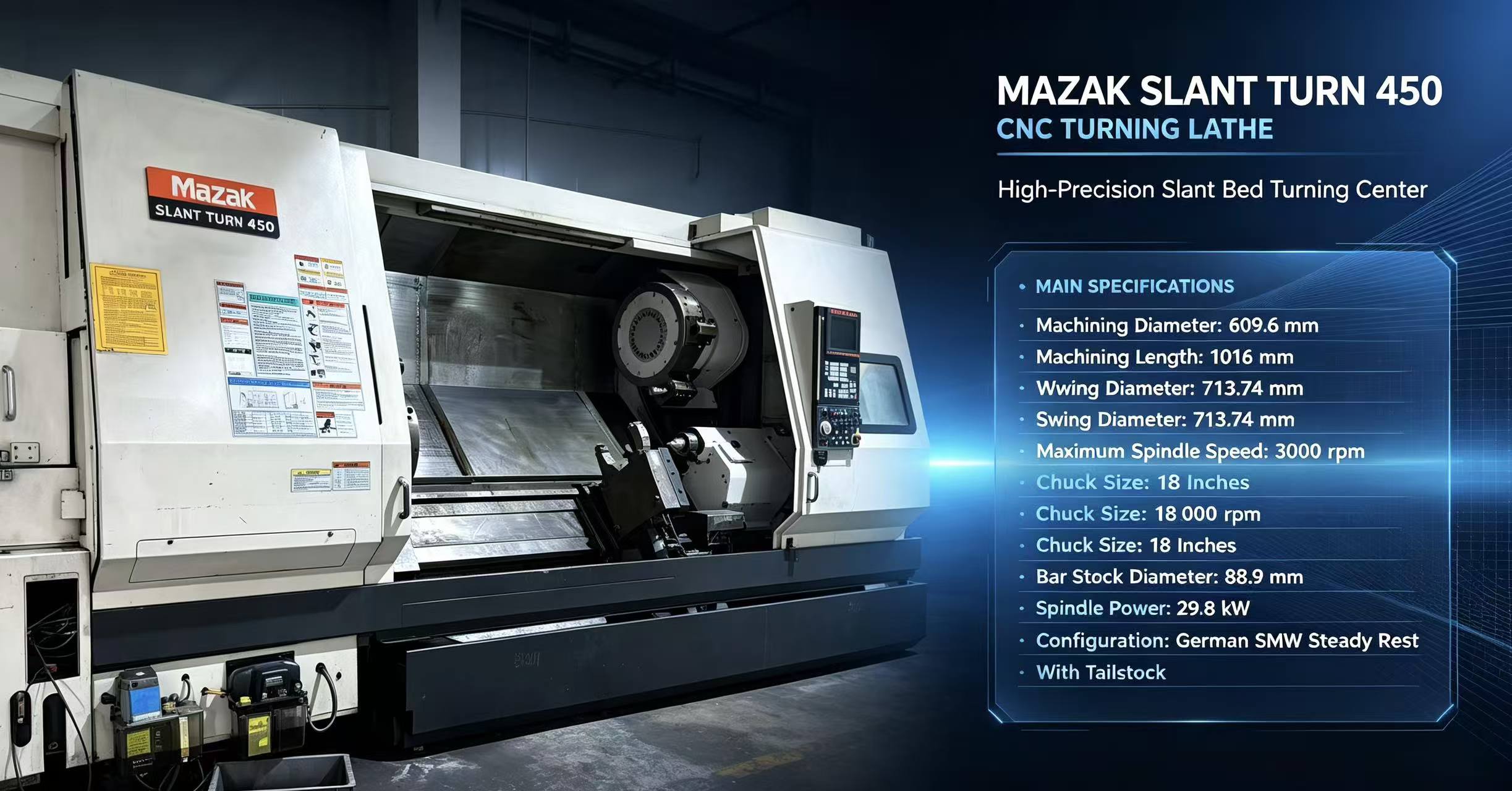
Buying a used automatic lathe requires more than checking the purchase price. Spindle condition, repeatability, controls, documentation, and supplier support determine whether the machine delivers stable production or expensive downtime.
1. Match the Machine to the Job
| Machine type | Best use | Main risk |
|---|---|---|
| Cam automatic lathe | High-volume simple parts | Limited flexibility and worn cams |
| CNC automatic lathe | Mixed batches and complex parts | Control, servo, and tooling costs |
| Swiss-type lathe | Small, long, high-precision parts | Guide bushing and bar-feed wear |
Confirm bar capacity, spindle speed, number of tools, material compatibility, cycle time, power supply, floor space, and required tolerance before comparing quotations.
2. Price and Total Cost
| Used machine condition | Indicative price | Budget allowance |
|---|---|---|
| Older cam automatic | US$3,000–12,000 | Refurbishment and tooling |
| Used CNC automatic | US$12,000–45,000 | Controller, servo, and installation |
| Reconditioned CNC machine | US$25,000–80,000 | Commissioning and training |
Prices vary by brand, year, configuration, export condition, and inspection results. Request a landed-cost calculation covering packing, freight, customs, installation, tooling, and spare parts.
3. Inspection Checklist
| Area | What to verify | Warning sign |
|---|---|---|
| Spindle | Noise, temperature, runout, taper | Vibration or oil leakage |
| Slides and chuck | Backlash, smooth travel, clamping | Uneven wear or lost repeatability |
| Control and electrics | Alarm history, backup, servo response | Obsolete parts or random alarms |
| Accuracy | Test bar, sample parts, position repeatability | Results outside your tolerance |
Ask for dated videos, serial numbers, maintenance records, test reports, and a live cutting demonstration. Measure accuracy after warm-up, because cold-machine results can be misleading. Check lubrication, hydraulics, coolant, bar feeder, safety interlocks, and included tooling.
4. Service Life and Supplier Value
A well-maintained machine may remain productive for 15–25 years, but service life depends on duty cycle, lubrication, operator practice, and replacement history. China-based suppliers can offer strong cost performance through refurbishment, export packing, multilingual documentation, and experience with overseas voltage and customs requirements. Prefer suppliers with demonstrated export records, clear warranty terms, ISO or applicable product certifications, remote troubleshooting, installation guidance, and stocked spare parts such as bearings, belts, sensors, drives, collets, and control boards.
FAQ
How accurate should a used automatic lathe be?
Define the required part tolerance first, then require measured repeatability and sample-part evidence that meet it.
Is an older cam lathe still worth buying?
Yes, for stable high-volume work when cams, tooling, and mechanical parts are available and wear is documented.
What is the most expensive common fault?
Spindle, servo drive, controller, and bar-feeder failures often exceed routine mechanical repair costs.
Should I buy refurbished or as-is?
Refurbished equipment costs more but reduces commissioning risk; as-is equipment requires technical inspection and a repair budget.
What should a Chinese supplier provide?
Inspection data, export packing, certification documents, warranty terms, spare-parts availability, and responsive after-sales support.
How can I compare two quotations fairly?
Compare delivered cost, accuracy guarantee, included tooling, installation, training, warranty coverage, and replacement-part lead time.
Conclusion
Choose the machine by verified production capability and lifetime cost, not the lowest listing price. Contact a reliable Chinese supplier for inspection records and a current quotation based on your parts, tolerance, and delivery destination.
More Articles
-
Best Automatic Lathe Machines for Metal ProcessingBest automatic lathe machines for metal processing depend on part geometry, batch size, tolerance, and the buyer’s ability to support the control system. A well-inspected used automatic lathe can deliver strong repeatability and a lower unit cost than a new machine. Choosing an Automatic Lathe Machine type Best fit Typical capability Main risk Cam automatic lathe Very high-volume simple parts Fast fixed-cycle turning Limited changeover flexibility CNC turning center Mixed batches and complex profiles Turning, drilling, threading Control and turret repair cost Swiss-type CNC lathe Long, small-diameter precision parts Guide bushing and live tools Guide-bushing wear affects accuracy For shafts, fittings, fasteners, bushings, and hydraulic components, prioritize bar capacity, spindle bore, tool stations, chip evacuation, and automation compatibility. Swiss-type machines are usually the strongest choice for slender parts where deflection control matters. Accuracy, Life, and Inspection A maintained CNC automatic lathe commonly retains useful production accuracy for many years, but calendar age is less important than spindle hours, crash history, lubrication quality, and preventive service records. Check actual test cuts rather than relying only on nameplate specifications. Inspection point Acceptance focus Selection impact Spindle Noise, heat, vibration, runout Surface finish and bearing cost Axes and ballscrews Backlash, repeat positioning, smooth travel Diameter and length consistency Turret and tools Indexing accuracy, clamp force, live-tool noise Cycle reliability Hydraulics and lubrication Leaks, pressure stability, oil delivery Service life and downtime Control system Alarms, backup, drives, screen condition Parts availability and recovery risk Common faults include spindle-bearing noise, turret misindexing, axis backlash, hydraulic leakage, bar-feeder synchronization errors, and obsolete drives. Require a cold start, continuous cycle test, sample-part measurement, and a recorded alarm history. FAQ Which machine is best for small precision parts? A Swiss-type CNC lathe is usually best for long, thin, high-volume precision components. Can a used lathe still hold tight tolerances? Yes, when spindle condition, axis repeatability, tooling, and thermal stability pass measured test cuts. What accuracy test should a buyer request? Request spindle runout, axis backlash, repeatability data, and measured samples produced from the target material. What faults create the highest repair risk? Spindle bearings, obsolete CNC drives, turret assemblies, and damaged ballscrews usually create the largest unplanned cost. Are China suppliers suitable for export projects? Yes, provided they demonstrate export experience, compliant packing, clear documents, spare-parts support, and defined after-sales service. Conclusion Match machine architecture to the part, verify condition with live tests, and price future support alongside purchase cost. Contact a reliable Chinese supplier for an inspected machine list and a current quotation.

-
Industries That Use Automatic CNC Lathe MachinesAutomatic CNC lathe machines support high-volume turned parts where repeatability, cycle time, and unattended running determine unit cost. They are widely used for shafts, pins, fittings, fasteners, bushings, and precision connectors. Core Industries and Part Requirements Industry Typical Parts Key Requirement Automotive Sensor bodies, pins, valve parts Stable batch accuracy and traceability Medical Implant components, instrument fittings Fine finish and burr control Electronics Connectors, terminals, camera rings Small-diameter precision Hydraulics Fittings, sleeves, valve spools Concentricity and sealing surfaces Aerospace Fasteners, lightweight alloy parts Material control and inspection records Machine Selection and Accuracy Retention Swiss-type automatic lathes suit long, slender workpieces and complex small parts; turret lathes are more economical for larger diameters and general production. A well-maintained used machine can retain practical production accuracy, but condition matters more than its nameplate year. Machine Type Best Fit Selection Risk Swiss-type Small, long precision parts Guide bushing and spindle wear Turret CNC lathe General turned components Turret indexing error Cam automatic lathe Very high-volume simple parts Limited changeover flexibility Inspection Before Purchase Checkpoint What to Verify Test cut Diameter stability, taper, roundness, surface finish Spindle Noise, heat, vibration, runout Axes and ballscrews Backlash, repeat positioning, lubrication Control system Alarm history, program operation, backup availability Tooling system Collets, holders, live tools, availability of replacements Common faults include spindle-bearing noise, hydraulic leakage, worn collets, servo alarms, and unstable bar feeding. Service life is extended by clean coolant, scheduled lubrication, correct bar stock, and prompt replacement of worn guide bushings and seals. FAQ Which industry benefits most from automatic CNC lathes? Automotive, electronics, medical, and hydraulics benefit most where many identical precision parts are required. Can a used automatic lathe still hold tight tolerances? Yes, after a test cut confirms spindle condition, axis repeatability, and thermal stability. What is the main risk in a low-priced machine? Hidden wear, obsolete controls, and unavailable parts can exceed the initial savings. How should buyers verify machine condition remotely? Request a live video test cut, measurement report, alarm screen check, and detailed machine serial information. Are spare parts available from Chinese suppliers? Reliable suppliers stock common consumables and can source compatible electrical, hydraulic, and tooling parts. Conclusion Select the machine by part geometry, required tolerance, service support, and verified condition, not price alone. Request a current quote and inspection package from a reliable Chinese supplier with export and spare-parts capability.

-
What Is an Automatic Lathe Machine Used For?Automatic lathe machines produce repeated turned parts with minimal operator intervention. They are used where cycle time, consistency, and low piece cost matter more than one-off flexibility. Primary Uses and Suitable Parts Cam-type automatic lathes suit high-volume simple parts; CNC automatic lathes handle more complex geometry, short-to-medium batches, and faster changeovers. Typical work includes shafts, pins, bushings, threaded fittings, connectors, screws, and small hydraulic or automotive components. Machine type Best use Typical risk Single-spindle cam automatic Very high-volume standard parts Cam wear and limited flexibility Multi-spindle automatic Maximum output for small parts Complex setup and costly repair CNC automatic lathe Precision mixed batches and complex profiles Control, servo, or hydraulic faults Accuracy, Service Life, and Fault Control A sound used machine can retain practical production accuracy when its bed, spindle bearings, collets, slides, and feed system are maintained. Check actual sample parts rather than relying only on nameplate tolerance. Well-serviced mechanical machines often remain productive for 15–25 years; CNC life depends heavily on spindle hours, control support, lubrication discipline, and crash history. Inspection point What to check Selection implication Spindle Noise, heat, radial runout Bearings may require major expense Slides and bed Backlash, scoring, taper on test cut Wear reduces repeatability Hydraulics/pneumatics Leaks, pressure stability, clamping Causes inconsistent cycle operation Electrical/control Alarms, cabinet condition, backup files Obsolete components increase downtime Practical Purchase Checks Run the machine through a full automatic cycle and verify safety interlocks. Measure runout, backlash, surface finish, and dimensional repeatability on a test part. Confirm bar capacity, tooling availability, power specification, and installation footprint. Request maintenance records, serial number verification, video inspection, and a spare-parts list. Used-Machine Cost Guide Category Indicative used price Best buyer Cam automatic lathe US$3,000–15,000 Standard fastener producers Multi-spindle automatic US$15,000–80,000 High-output component factories CNC automatic lathe US$12,000–70,000 Precision subcontractors Price varies with brand, age, condition, tooling, control generation, and overhaul status. A low purchase price can be false economy when commissioning, retrofit, or unavailable parts are ignored. Why Source From China Experienced China-based suppliers can offer broad used inventory, competitive export pricing, pre-shipment testing, crating, documentation, and consolidated shipping. Prefer suppliers able to provide applicable CE or other requested compliance documents, condition reports, remote troubleshooting, commissioning guidance, and stocked consumables such as collets, belts, seals, sensors, and electrical parts. FAQ What is an automatic lathe mainly used for? It efficiently manufactures repetitive round or bar-fed parts such as pins, fittings, screws, and shafts. Can a used automatic lathe still hold precision? Yes, when spindle condition, slide wear, alignment, lubrication, and test-cut results are acceptable. Which faults are most common? Spindle-bearing noise, slide backlash, hydraulic leaks, worn collets, electrical failures, and CNC alarm issues are common. Is a cam machine or CNC machine better? Choose cam machines for stable, very high-volume parts; choose CNC for frequent changes or complex dimensions. What documents should an exporter provide? Request specifications, test video, inspection report, packing list, export documents, and available certification records. Are spare parts available for older machines? Wear parts are often available, but confirm control and proprietary mechanical parts before ordering. Choose a reliable Chinese supplier that proves machine condition, export capability, and parts support. Request a current quote with test results and delivery terms.

-
Why Buy Used Automatic Lathe Machines from China?China is a practical sourcing market for used automatic lathes because buyers can access broad inventory, competitive refurbishment costs, and export-capable support. The value depends on disciplined inspection, not simply the lowest offer. Why Source Used Automatic Lathes from China? Chinese suppliers commonly stock cam-operated, Swiss-type, and CNC automatic lathes from domestic, Japanese, Taiwanese, and European brands. Export specialists can arrange crating, sea freight documentation, pre-shipment testing, and remote commissioning support. A properly rebuilt unit can provide 5–10 further years of productive service for standard precision parts. Machine type Typical used price Best use Selection risk Cam automatic lathe US$3,000–12,000 High-volume simple turned parts Cam and clutch wear Entry CNC lathe US$8,000–25,000 Flexible small batches Control or drive obsolescence Swiss-type CNC lathe US$18,000–70,000 Long, small precision parts Guide bushing and sub-spindle condition Accuracy, Life, and Common Faults Accuracy retention is governed by spindle bearing condition, bedway wear, ball-screw backlash, turret repeatability, and thermal stability. For a sound used CNC machine, practical repeatability should be verified against the supplier’s stated specification; do not rely on a static dial reading alone. Common faults include spindle noise, hydraulic leakage, lubrication alarms, worn collets, unstable servo drives, and intermittent encoder errors. Pre-Purchase Inspection Checklist Check Acceptable evidence Running test Video of cold start, speed changes, and automatic cycle Test part Measured diameter, runout, surface finish, and repeatability Mechanical condition No abnormal spindle vibration; controlled backlash and turret play Control system Alarm history, backup files, electrical cabinet photos Service history Repair records, replaced parts, and inspection report China Supplier Value and Risk Control Established China-based suppliers offer cost performance through local sourcing and refurbishment labor, often at 30–60% below comparable new equipment. Prioritize suppliers with export records, quality-management certification, clear machine serial records, acceptance testing, multilingual manuals, and defined after-sales response. Confirm availability and lead time for bearings, collets, belts, seals, drives, and control boards before payment. Cost item Used China supply New-equipment alternative Initial investment Lower Higher Delivery flexibility Stock-dependent, often fast Factory lead time Warranty scope Usually limited, negotiate clearly Usually broader Technology life Must verify controls and parts Current platform FAQ Are used automatic lathes from China reliable? They can be reliable when inspected under load, supplied with test results, and supported with service parts. How much accuracy loss is acceptable? It depends on the workpiece tolerance; require a machined sample and repeatability test matching your production need. Should I buy refurbished or as-is? Refurbished machines reduce startup risk, while as-is units suit buyers with in-house maintenance capability. What certifications matter? Supplier quality-management certification, export documentation capability, and applicable electrical compliance records are useful checks. Which spare parts should be ordered first? Order wear items such as collets, belts, seals, filters, sensors, and critical control backups with the machine. Can a supplier provide remote support? Export-oriented suppliers should offer video troubleshooting, wiring diagrams, parameter backups, and spare-parts identification. Buy on Verified Condition, Not Price Alone Request a live inspection, test-cut report, parts list, and written after-sales terms. Contact a reliable Chinese supplier for current stock and a quotation matched to your part size, tolerance, and output target.